Masale Bhaat (Spiced Rice) with Brussels Sprouts and Peas
Dietary: Vegan | Level: Easy
Quick & Easy, Maharashtrian Recipes, Family Recipes, Seasonal Twists
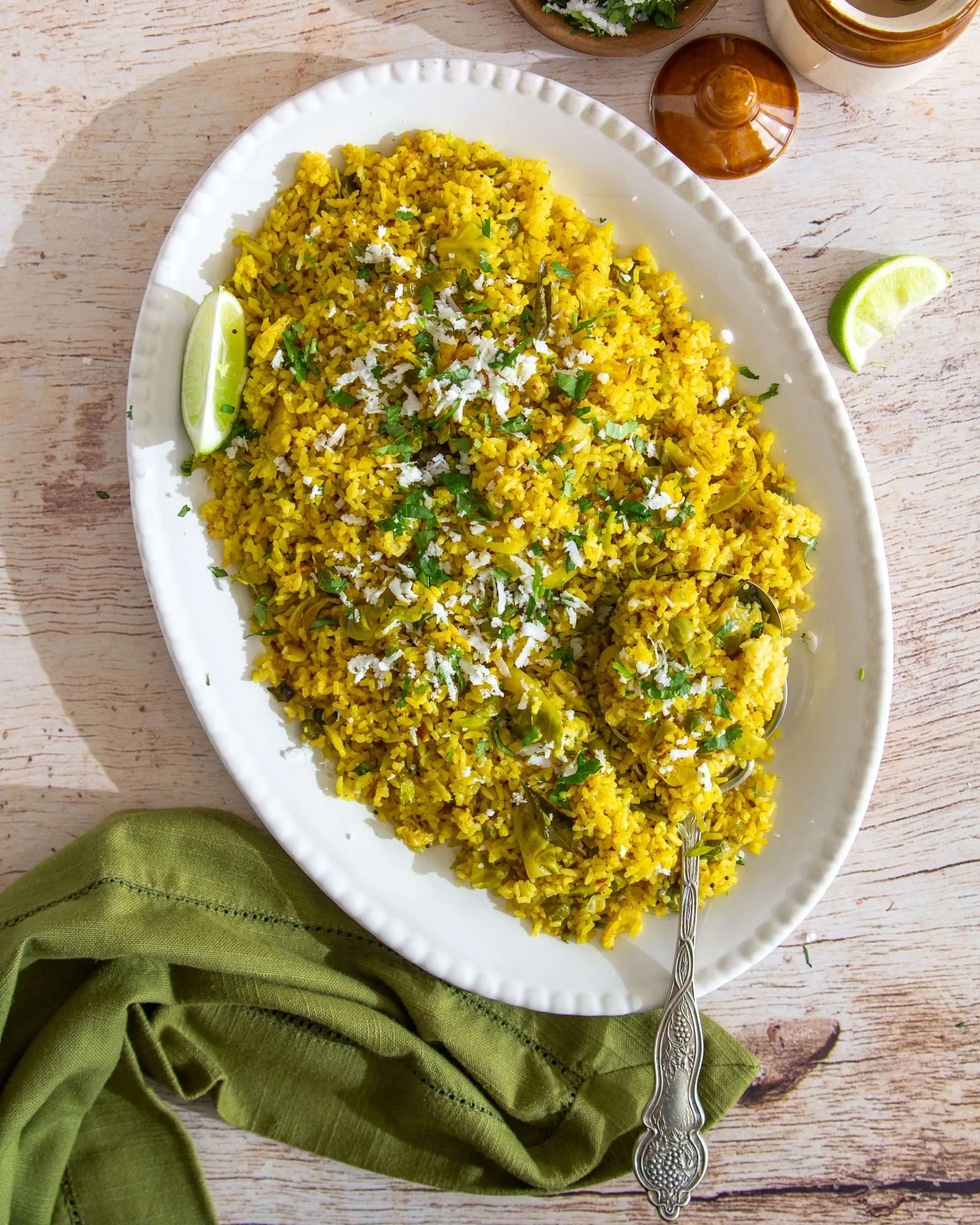
A seasonal Maharashtrian rice dish that brings tender Brussels sprouts and sweet peas together with warm, aromatic goda masala. This one-pot stovetop recipe can be easily customized with your choice of vegetables and is finished with fresh coconut, cilantro, lime and melted ghee.
Enjoy it as part of an Indian festive spread or for an easy wholesome meal.
What happens when a Maharashtrian holiday classic meets fall? For me, it looks like Masale BhaatwithBrussels Sprouts and Peas, a seasonal spin on the spiced rice dish I grew up eating at holiday meals and family celebrations. With Ganesh Utsav behind us and Navratri, Dasara and Diwali just around the corner, it felt like the perfect time to give this festive favorite a fall makeover.
Masale bhaat is a mildly spiced Maharashtrian rice dish made with fragrant goda masala, a distinctive spice blend with warm, gently sweet notes. Traditionally made with short-grain Ambemohar rice and vegetables, it is garnished with chopped cilantro/coriander leaves and fresh grated coconut and then finished with melted ghee and a squeeze of lime. The result is simple, comforting and unmistakably Maharashtrian.
A Tiny-Cabbage Inspiration
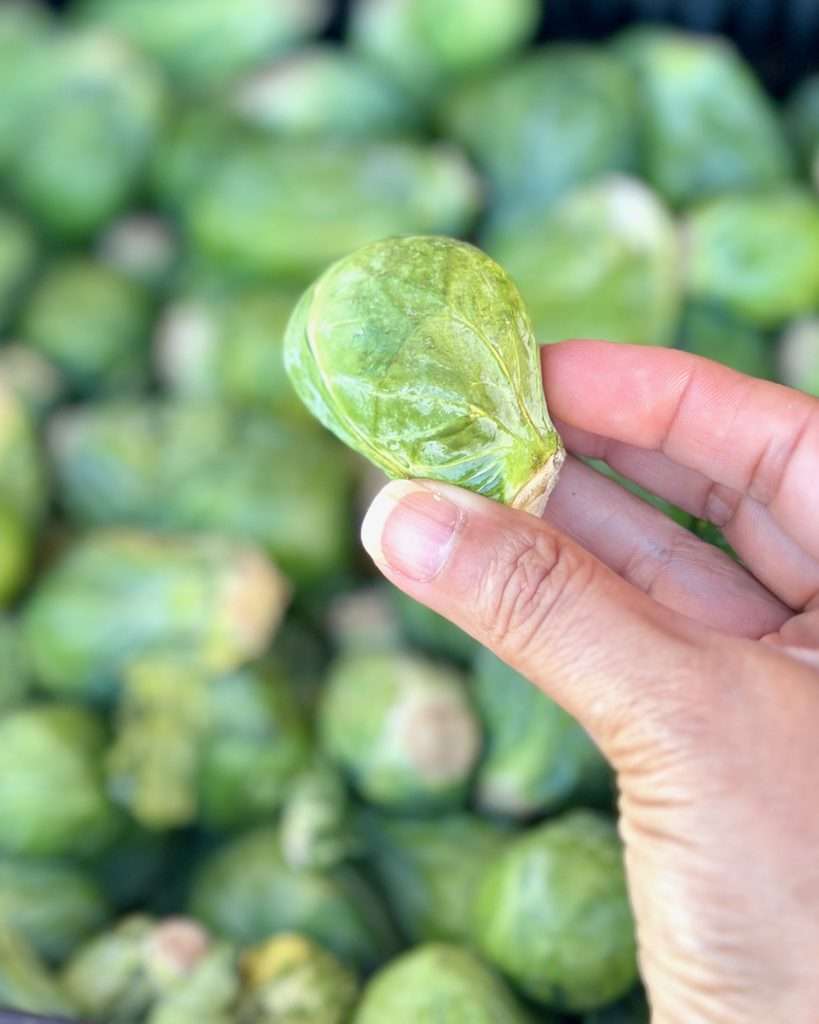
The idea for this version came to me at the farmers market. My mom often makes Kobi Masale Bhaat with shredded cabbage cooked together with the rice, and when I spotted Brussels sprouts, I immediately thought of how much they resemble tiny cabbages. If shredded cabbage works so beautifully in Masale Bhaat, why wouldn’t Brussels sprouts?
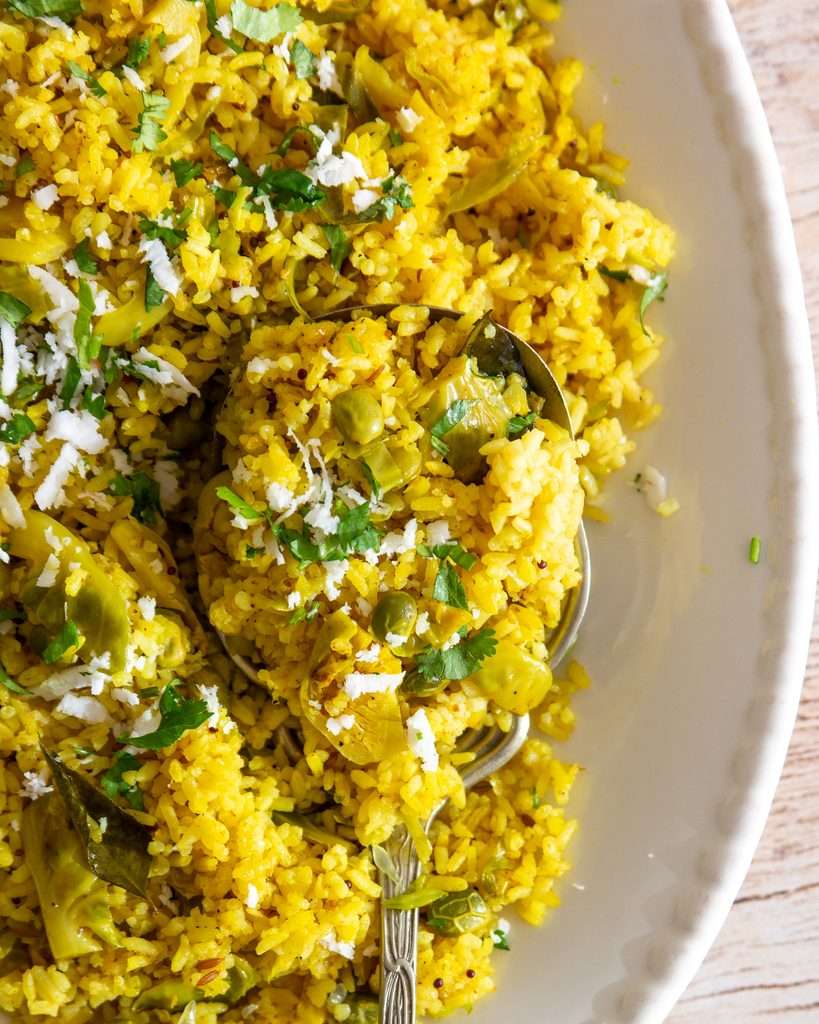
I brought some home and gave it a try. I shred the Brussels sprouts and sauté them briefly with peas in the tadka before adding the rice, goda masala and seasonings. As everything cooks together, the sprouts become buttery and melt-in-your-mouth soft while keeping their distinct earthy flavor.
Their savory depth works especially well with the warm spices, soft rice and sweet peas. It turned out to be one of those ideas that just made sense once I tasted it and this version quickly became one I wanted to make again and again.
The Two Key Ingredients
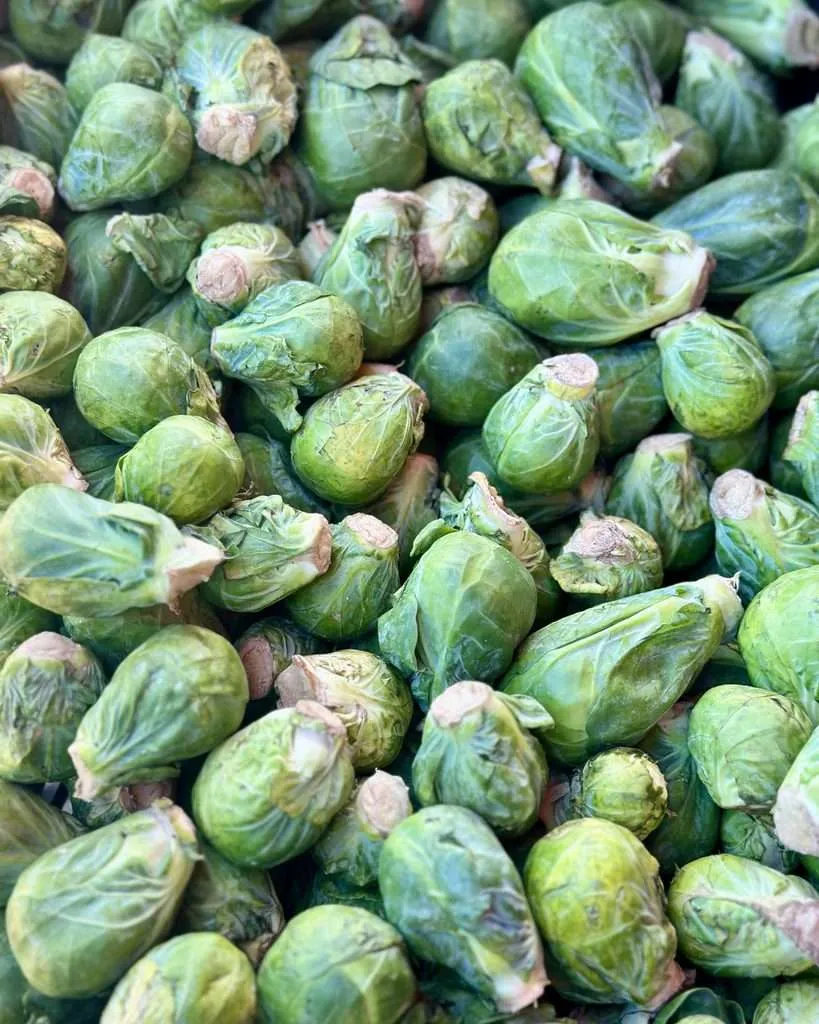
Brussels sprouts are essentially miniature cabbages that grow in rows along a thick central stalk, with tightly layered leaves and a firmer texture. They belong to the same family as cabbage, broccoli and cauliflower, and are at their best in the cooler months of fall and winter. Raw, they have a crisp texture and a slightly bitter, earthy flavor, but cooking transforms them, bringing out a sweeter, more buttery character.
Brussels sprouts are a natural fit for this Masale Bhaat that is inspired by the cabbage version that my mom makes. Shredding the sprouts gives them a texture similar to shredded cabbage, that my mom uses in her recipe.
The shredded sprouts soften quickly as they cook and become part of the rice rather than sitting on top of it. Their earthy flavor also stands up to the warm spices in goda masala, while the sweet peas and a touch of jaggery balance their natural bitterness.
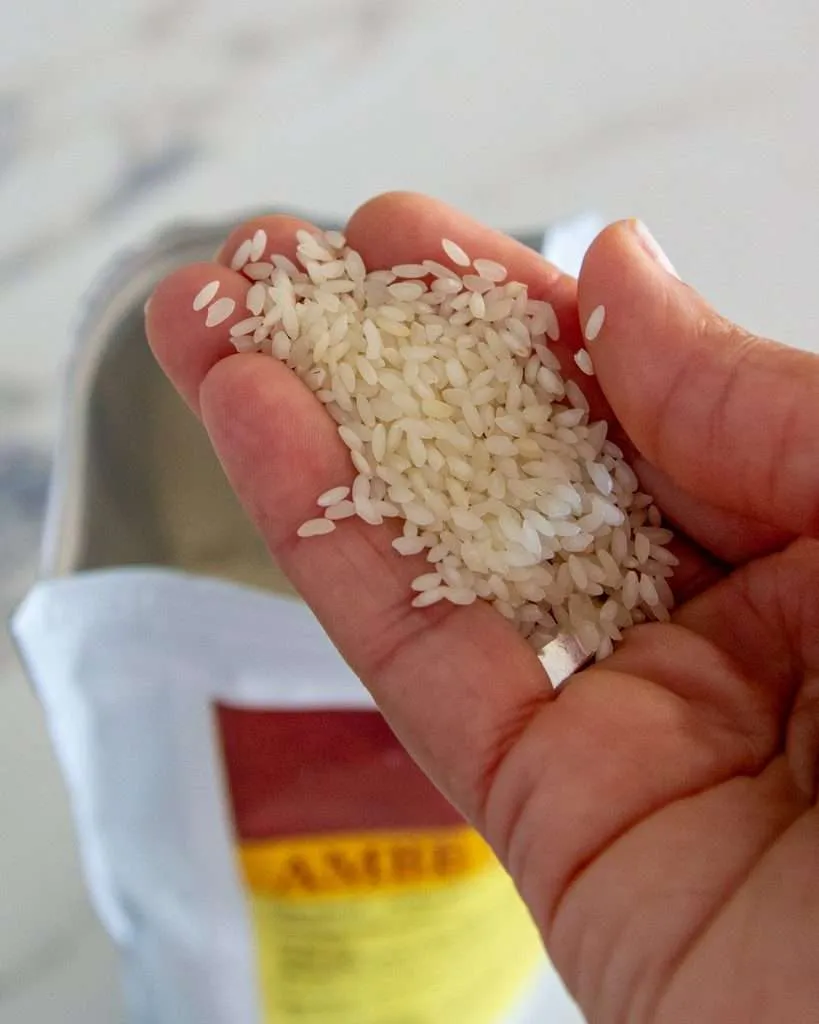
Ambemohar rice is a traditional short-grain rice variety from Maharashtra, known for its delicate aroma and soft, tender texture when cooked. Its name translates to “mango blossom,” a nod to its distinctive fragrance. Its naturally fragrant, delicate flavor is just as lovely in everyday varan bhaat, a comforting combination of rice and a simple split pigeon pea stew, where the rice’s aroma can shine without competing with bold spices.
Ambemohar is also traditionally used in Maharashtrian dishes such as Masale Bhaat, where its soft texture pairs beautifully with the vegetables and spice blend. If Ambemohar isn’t available, basmati rice is a good substitute. Neither variety needs to be soaked for this recipe.
Serving & Variations
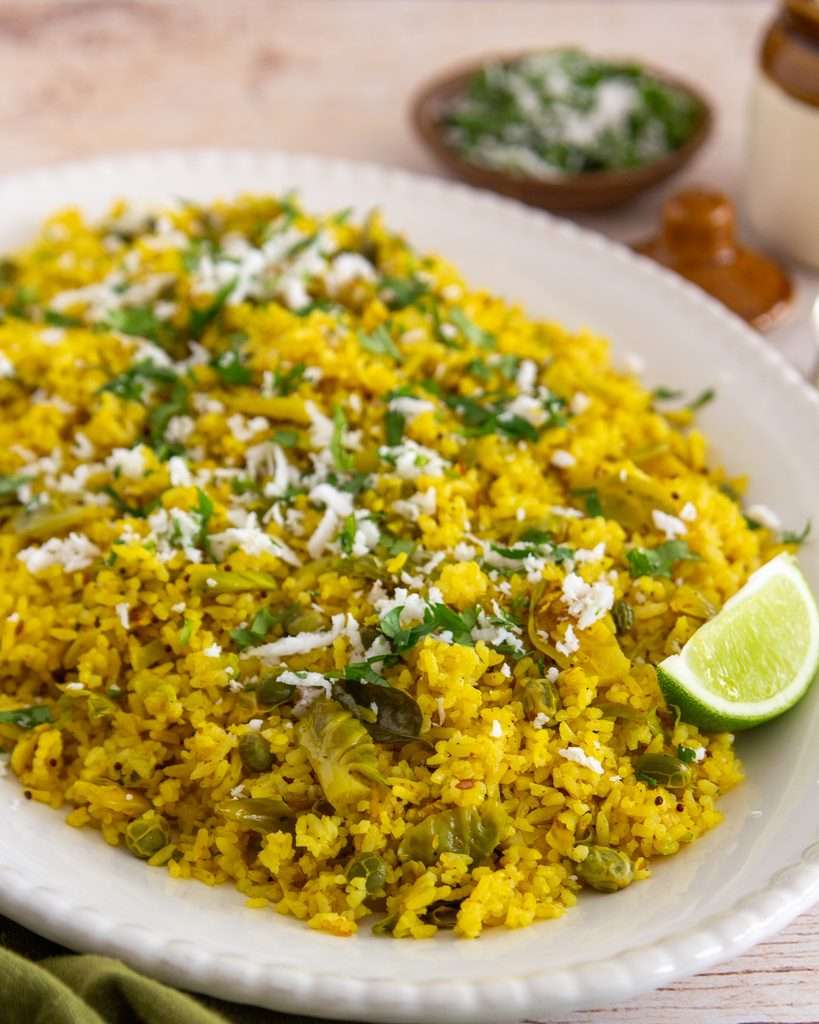
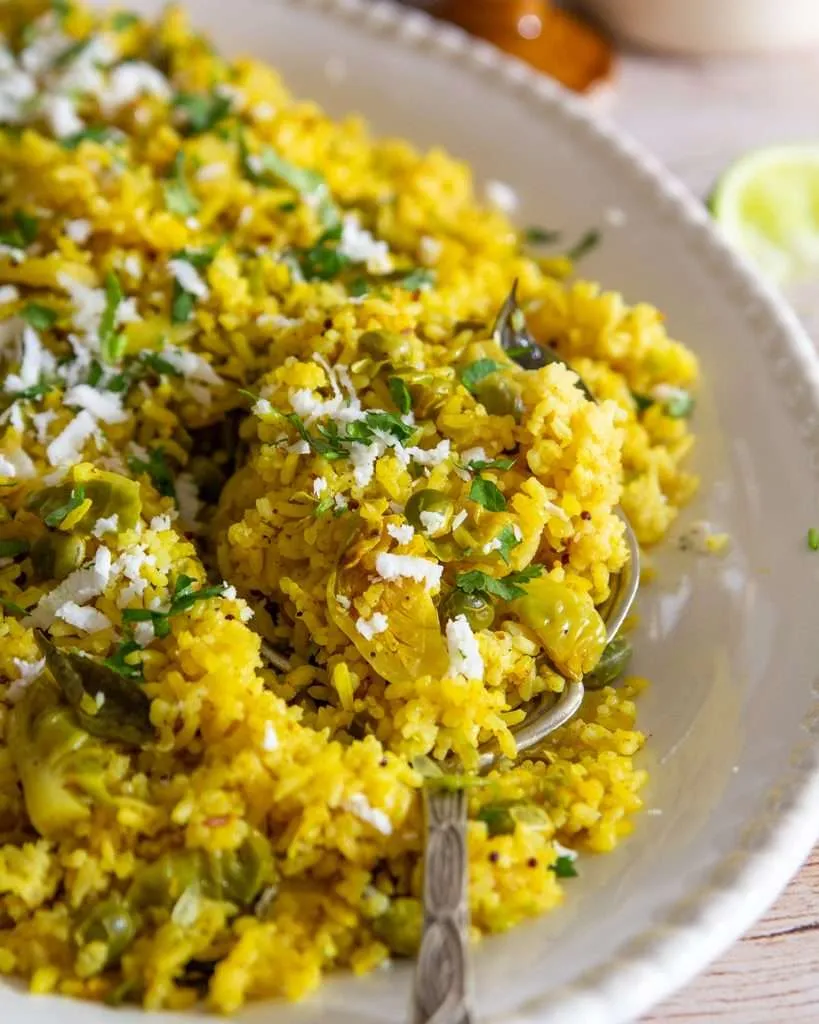
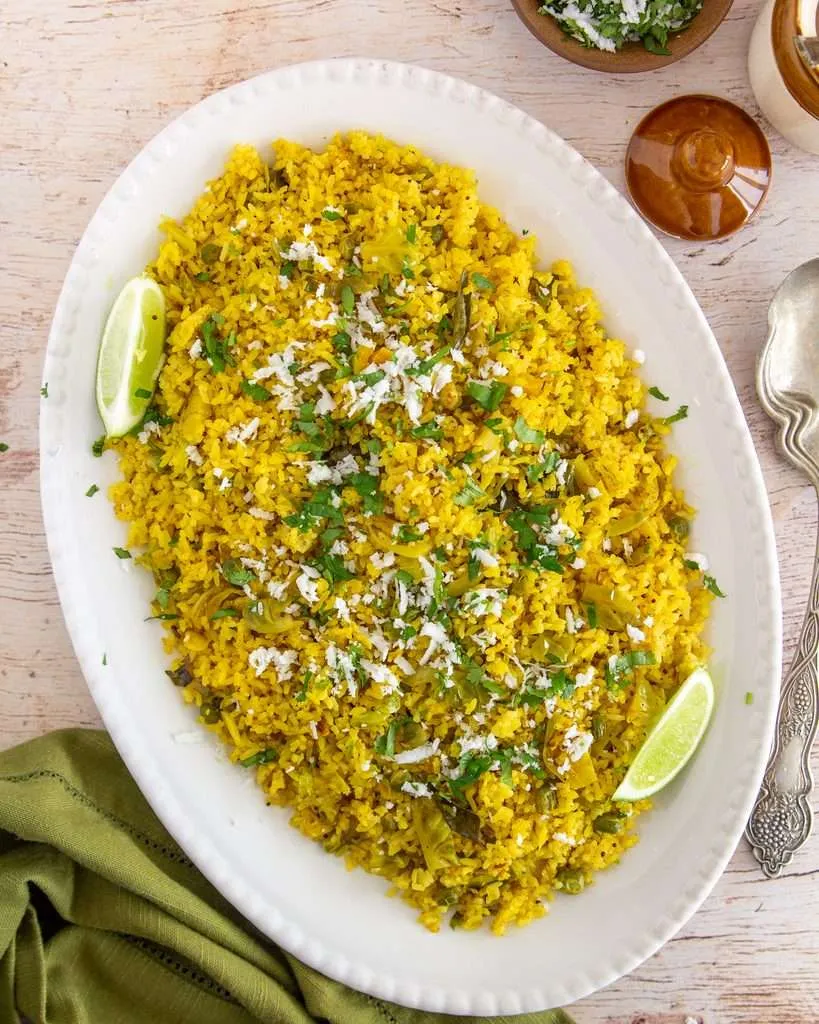
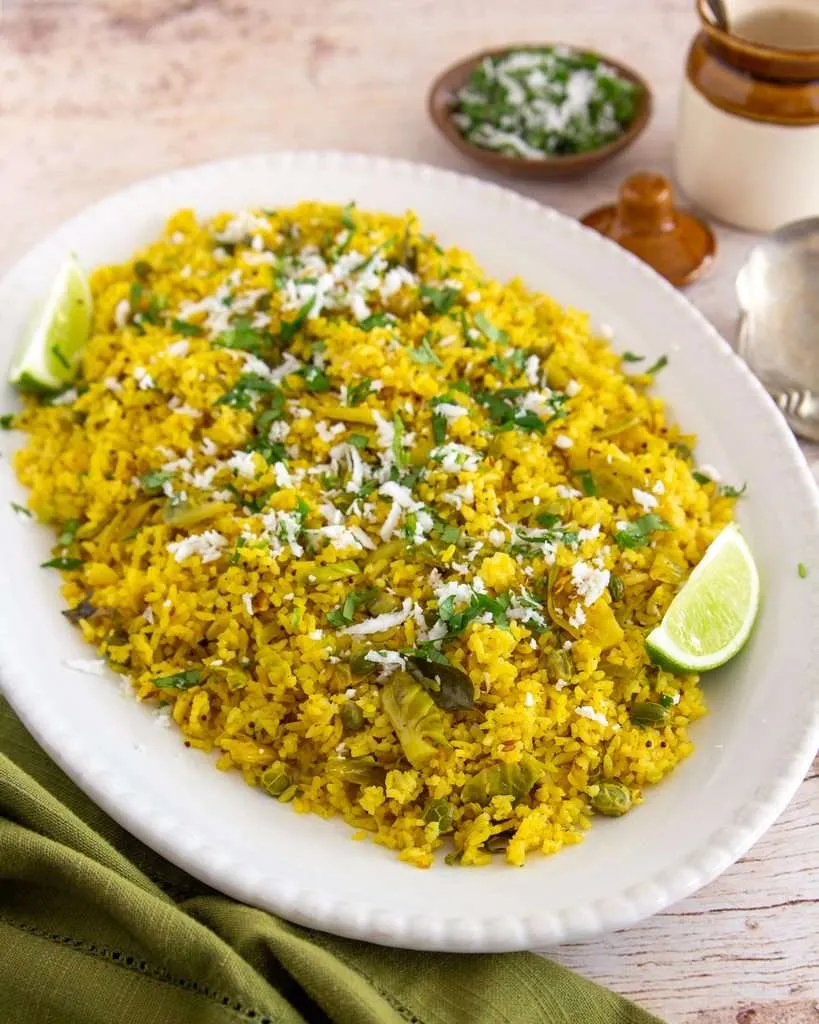
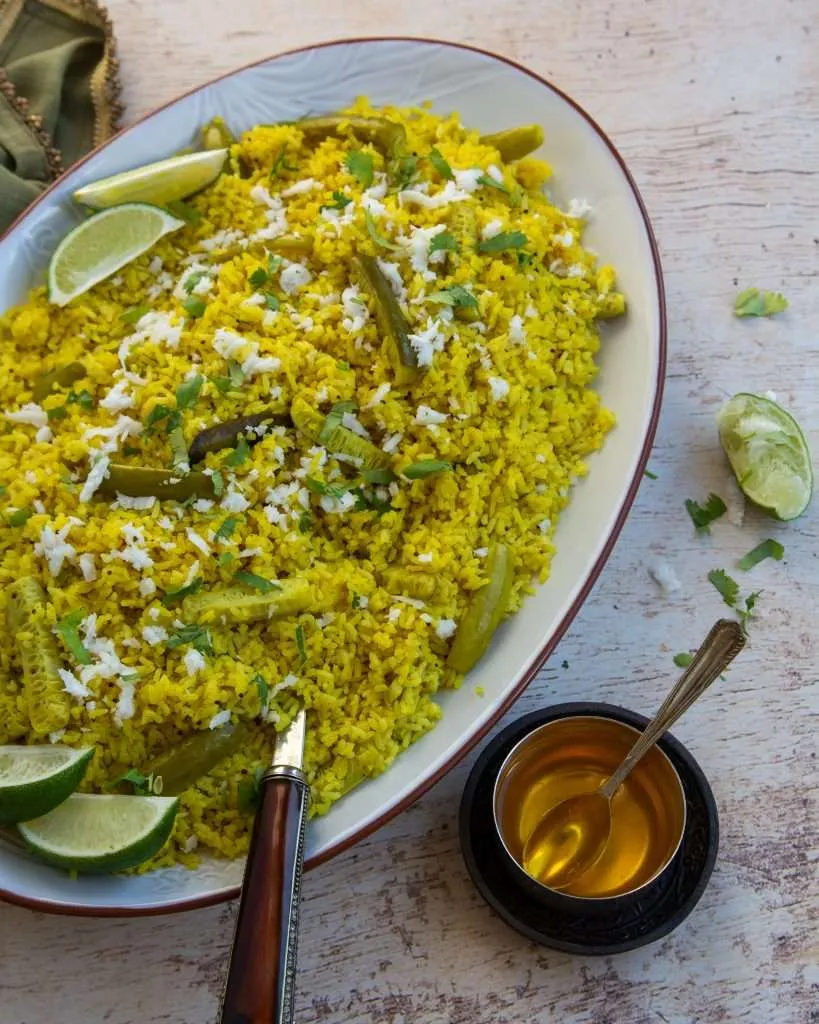
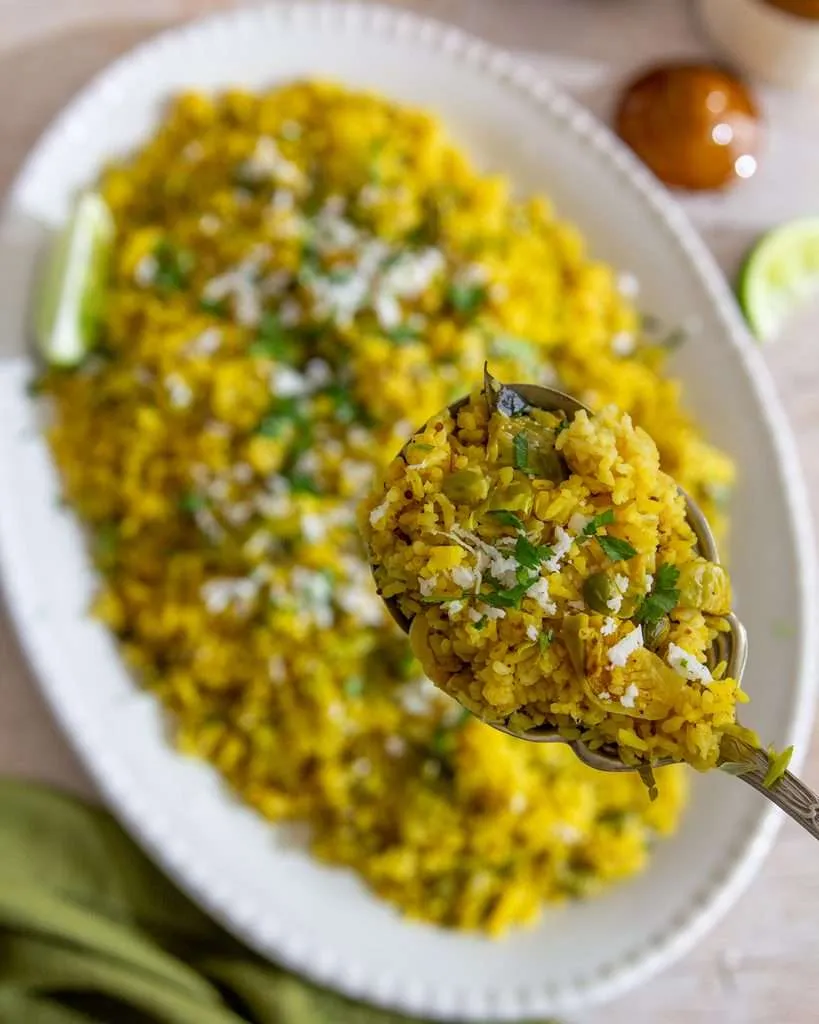
I like to pile the Masale Bhaat onto a platter and finish it with fresh coconut and cilantro. Bring it to the festive table with lime or lemon wedges and melted ghee for drizzling over the warm rice.
It’s a festive dish at heart, but this version brings a little of the fall + farmers market flair to the Maharashtrian classic. It works beautifully as the main rice dish in a festive spread, but is simple enough to make for an everyday meal too.
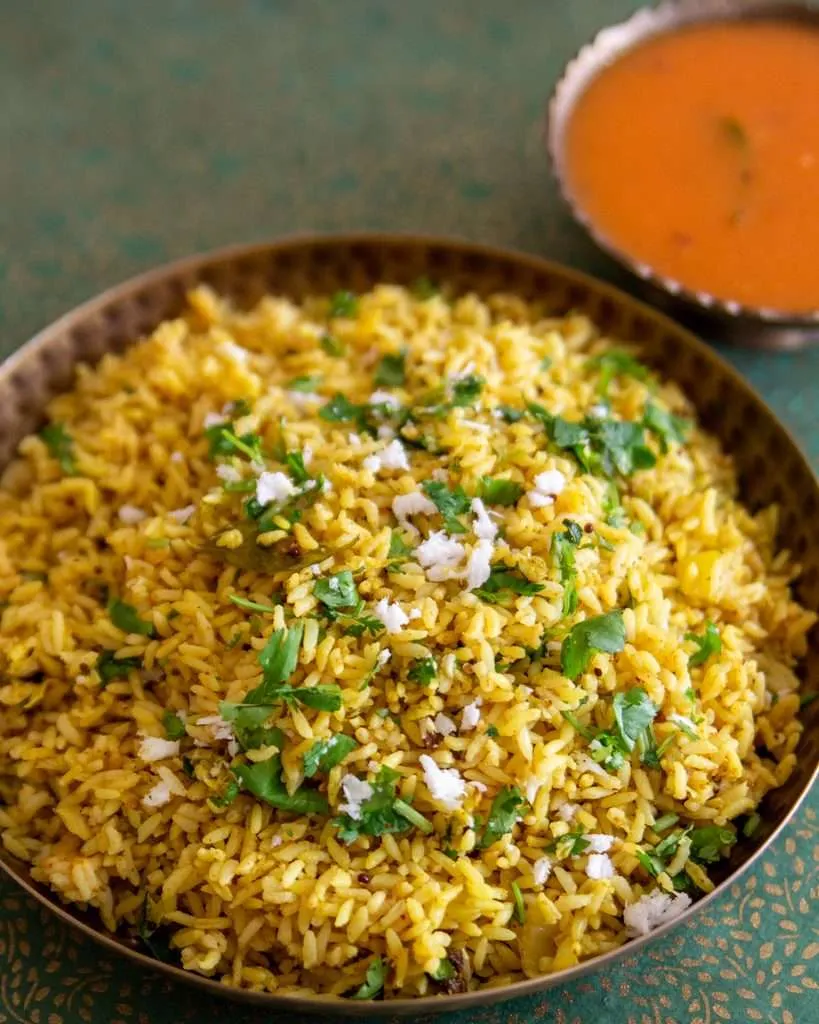
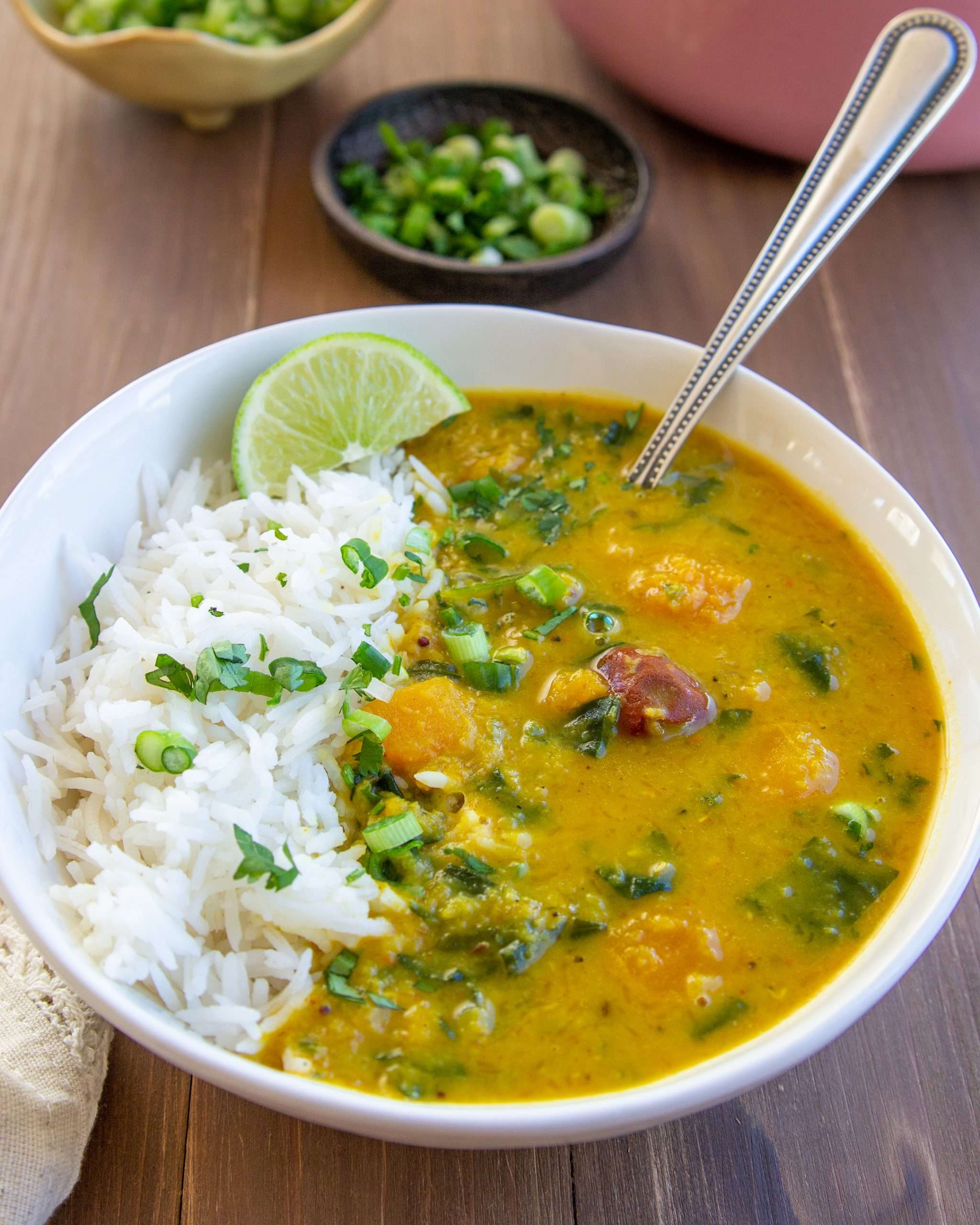
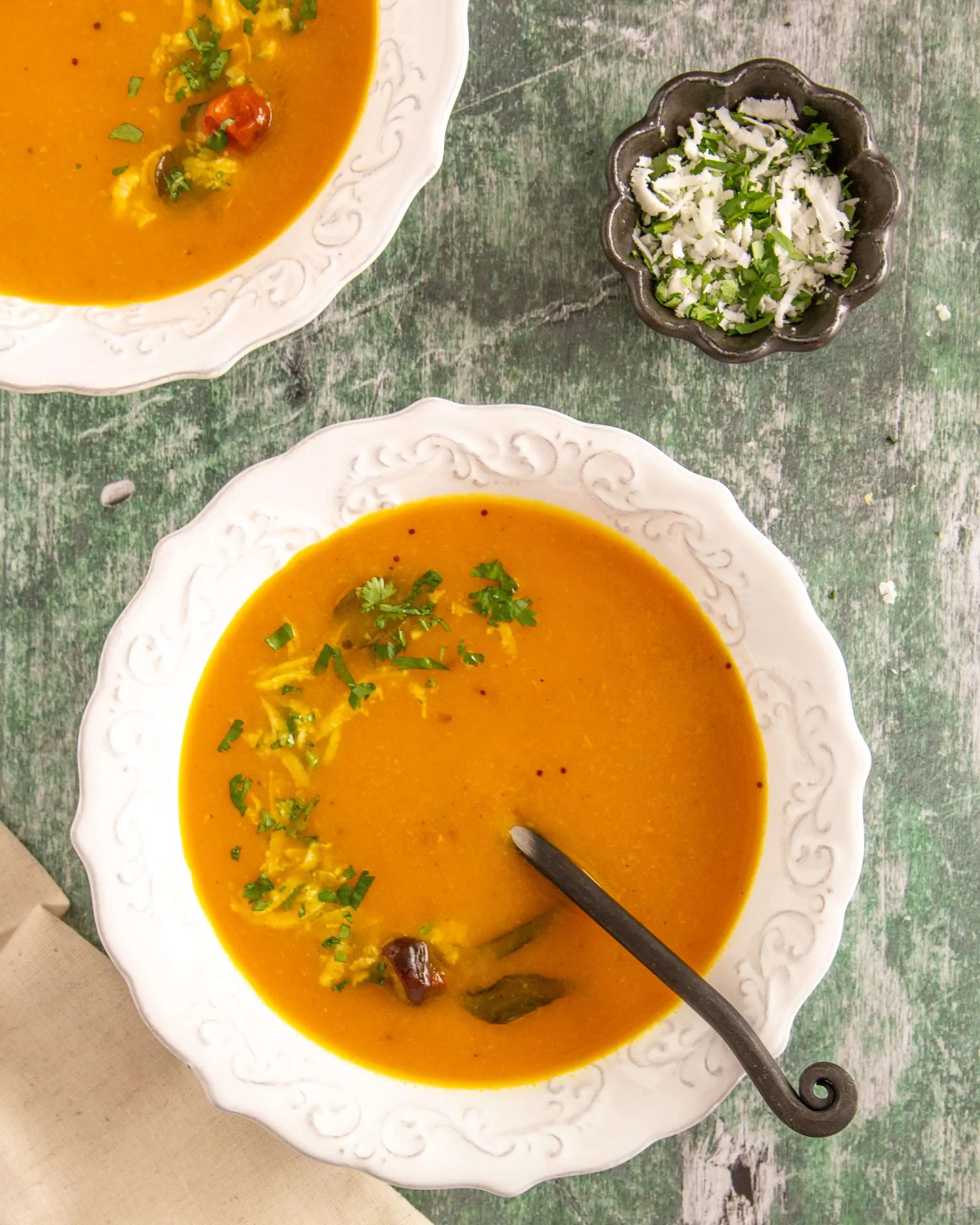
Masale bhaat is often paired with saar, a light, spiced tomato soup scented with curry leaves or aluchi bhaji, colocasia or taro leaves stew. Together, they make a much-loved Maharashtrian food pairings, especially for festive meals. My cookbook, Authentic Indian Cooking with Your Instant Pot, includes a recipe for saar, so you can make both dishes and enjoy this classic combination at home.
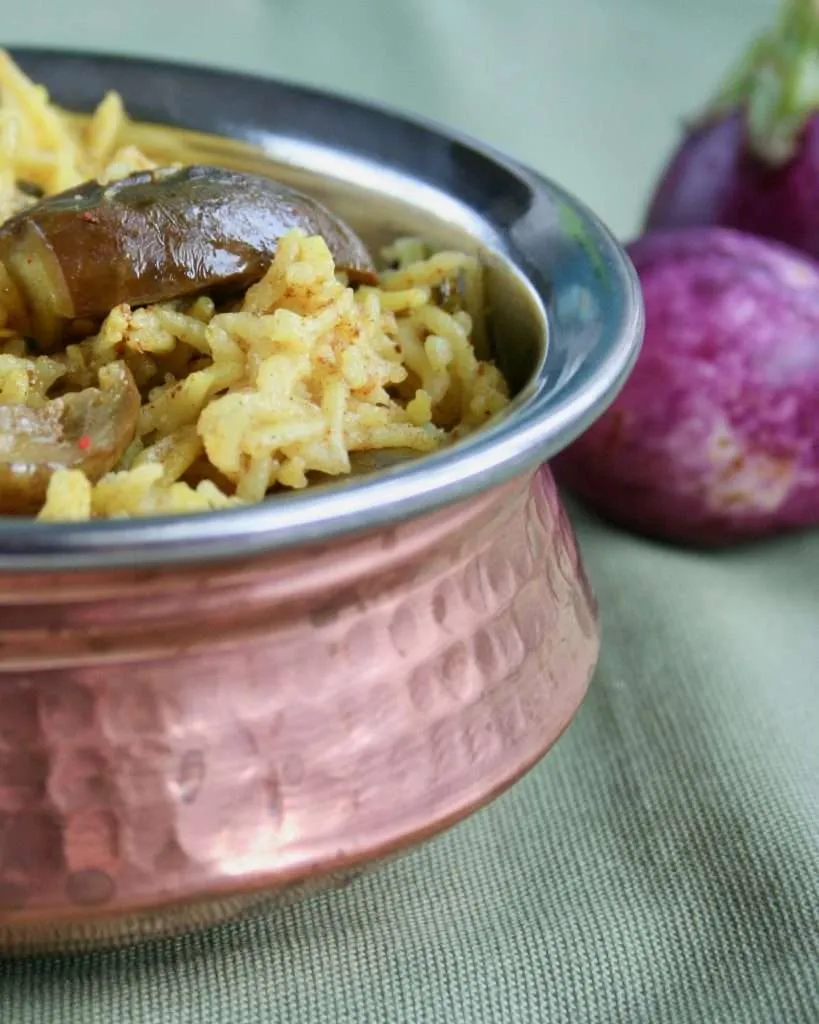
Brussels sprouts are just one way to make masale bhaat. Use shredded cabbage for the version that inspired this recipe, or make it with peas alone. Small Indian eggplants, quartered lengthwise, are another classic option, while cauliflower, pearl onions or sliced onions work beautifully too. For a little texture, try tondli (tindora or ivy gourd), the vegetable I use in my Masale Bhaat recipe in my cookbook, Authentic Indian Cooking with Your Instant Pot. You can even add small shrimp, about 50–60 per pound, for a non-vegetarian version.
Why You’ll Love It
My Masale Bhaat with Brussels Sprouts and Peas brings together the comforting flavors of Maharashtrian spiced rice with the earthy flavor of Brussels sprouts and the sweetness of peas. The sprouts become tender and buttery as they cook with the rice, while goda masala and a touch of jaggery create a warm, savory-sweet balance.
If Brussels sprouts usually make their way to your table roasted or sautéed, this is a different way to enjoy them. Cooked together in one pot, the rice and vegetables make a hearty weeknight meal that’s just as welcome on a festive table, offering something a little different from the usual rice or vegetable sides without adding much extra work.
Maharashtrian rice with goda masala, Brussels sprouts and green peas, finished with lime and ghee.
Ingredients
UnitsScale
1cupAmbemohar rice (see FAQs & Notes)
2 tablespoons neutral oil
1/2 teaspoon mustard seeds
1/2 teaspoon ground turmeric
1/4 teaspoon asafetida (hing)
5–6 fresh curry leaves
6–8 Brussels sprouts, trimmed and shredded (see Variations)
1/2cup fresh or frozen peas (see Variations)
2 teaspoons goda masala
1/2 teaspoon red chili powder
Salt, to taste
1–2 teaspoons ground jaggery or turbinado sugar, to taste (optional, but recommended)
2cupswater
For garnish and serving
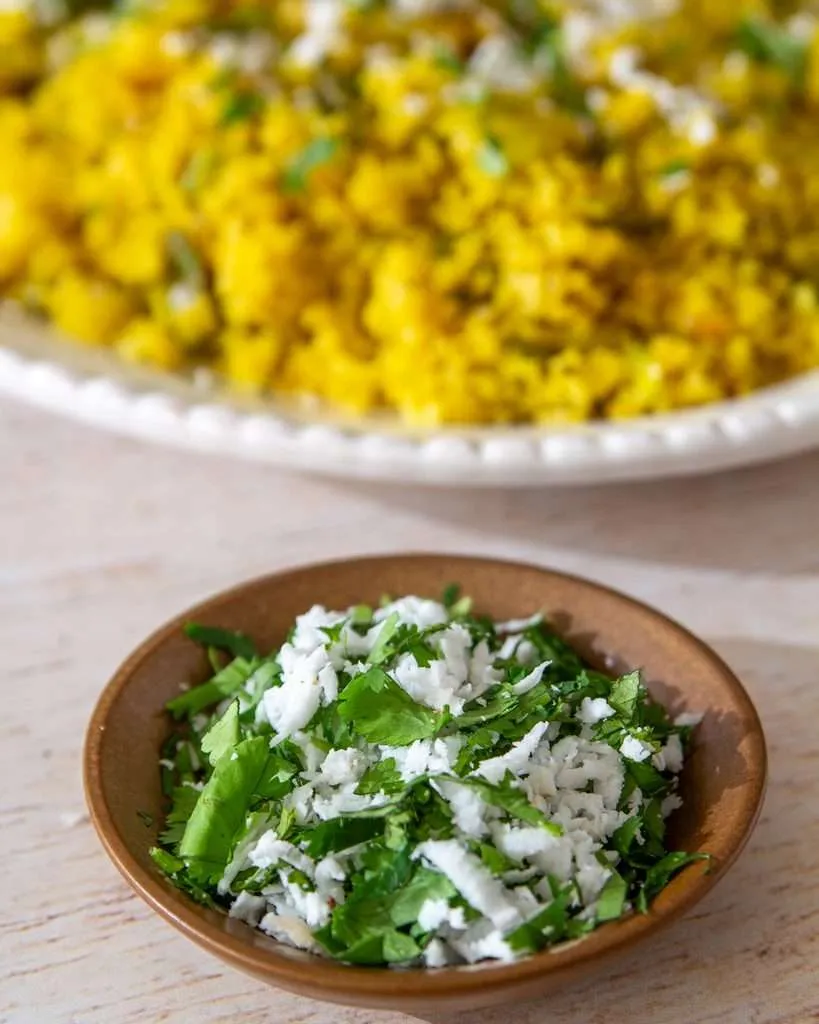
2 tablespoons grated fresh or thawed frozen coconut
8–10 sprigs fresh cilantro, roughly chopped
Lime or lemon wedges
Melted ghee, for drizzling
Instructions
Rinse the rice under cold water until the water runs mostly clear. Drain and set aside. No soaking is needed.
Heat the oil in a heavy-bottomed pot over medium heat. Add the mustard seeds and let them splutter. Add the turmeric, asafetida and curry leaves, stirring briefly until fragrant.
Add the shredded Brussels sprouts and peas. Sauté for 2–3 minutes, stirring occasionally, until the sprouts begin to soften.
Stir in the drained rice, goda masala, red chili powder, salt and jaggery. Sauté for another minute, stirring gently to coat the rice evenly with the oil and spices and combine it with the vegetables.
Add the water and bring to a boil.
Reduce the heat to low, cover and simmer for 15–18 minutes, or until the rice is tender and the water has been completely absorbed. Avoid stirring while the rice cooks.
Turn off the heat and let the rice rest, covered, for 5 minutes.
Gently fluff with a fork, then garnish with grated coconut and chopped cilantro.
Serve warm with lime or lemon wedges and a drizzle of melted ghee.
Email me this recipe!
Recipe saved! Please check your email for your saved recipe.
Ambemohar is a traditional Maharashtrian short-grain rice with a delicate aroma and soft texture. You can find it in the Indian grocery stores or on Amazon. Basmati rice works well as a substitute.
Why Goda Masala?
This Maharashtrian spice blend gives the dish its characteristic warm, aromatic flavor. You can find my recipe, hacks or store-bought options on my website here. Adjust the red chili powder to your preferred heat level.
Why to add jaggery?
A small amount balances the earthy bitterness of the Brussels sprouts and complements the goda masala. Adjust to taste.
If you don’t have jaggery, use coconut or turbinado sugar.
Recipe Variations
Cabbage: Replace the Brussels sprouts with shredded green cabbage for the traditional version that inspired this recipe.
Peas: Skip the Brussels sprouts and make the masale bhaat with peas alone.
Eggplant: Add small Indian eggplants, quartered lengthwise, for a classic Maharashtrian variation.
Onions: Add pearl onions or sliced onions for extra sweetness and flavor.
Cauliflower: Replace the Brussels sprouts with small cauliflower florets.
Shrimp: For a non-vegetarian version, add small shrimp (about 50–60 per pound). Sauté them with the vegetables until nearly cooked through, then add the rice and continue with the recipe.
One reply on “Masale Bhaat (Spiced Rice) with Brussels Sprouts and Peas”
I love Brussels sprouts and was intrigued by this recipe. I tried it right away with basmati rice and garam masala + toasted shredded coconut (like you mentioned in the goda masala recipe on your website) and it turned out so delicious. Such a unique recipe with my favorite sprouts!
Hi I’m Vasanti
…and I ❤️ cooking ‘n clicking! Welcome to Signature Concoctions — where the modern table meets Indian roots. I share recipes that celebrate the vibrant flavors of my Indian heritage, reimagined for everyday life in a modern kitchen.











One reply on “Masale Bhaat (Spiced Rice) with Brussels Sprouts and Peas”
I love Brussels sprouts and was intrigued by this recipe. I tried it right away with basmati rice and garam masala + toasted shredded coconut (like you mentioned in the goda masala recipe on your website) and it turned out so delicious. Such a unique recipe with my favorite sprouts!